E-mail: [email protected]
Phone: +86-572-8356001
E-mail: [email protected]
Phone: +86-572-8356001
Content
Global mica exports hit an all-time high while average import prices slid to $430 per ton—a signal that industrial mica demand is accelerating across sectors from electric vehicles to cosmetics. Mica isn’t one uniform material. Its layered silicate structure can be processed into powders, flakes, sheets, papers, and tapes, each engineered for a specific thermal, electrical, or visual performance profile. Understanding these forms and the key differences between natural and synthetic mica is the first step toward making a cost-effective, compliant sourcing decision.
Mica’s value comes from a rare combination of properties: dielectric strength up to 2000 V/mm, thermal stability to 1000°C and beyond, chemical inertness, and a low thermal expansion coefficient near 3×10⁻⁶/°C. These attributes make it indispensable for insulation in extreme environments. Muscovite and phlogopite are the most common natural varieties; synthetic fluorophlogopite, produced under controlled conditions, pushes purity and thermal limits further still. The table below lays out the critical performance differences.
| Property | Natural Mica (Muscovite/Phlogopite) | Synthetic Mica (Fluorophlogopite) |
|---|---|---|
| Max continuous temperature (°C) | 600–800 (phlogopite up to 1000) | 1000–1100 |
| Dielectric strength (V/mm) | 1500–2000 | 1800–2000+ |
| Purity | Up to 99% typical; contains trace minerals | >99.9% consistent batch-to-batch |
| Thermal expansion (×10⁻⁶/°C) | ~3 | ~3–4 |
| Relative cost index | 1.0 (baseline) | 1.5–3.0 |
| Sustainability / supply chain risk | Potential ethical concerns (child labor, conflict zones) | Conflict-free, fully traceable synthesis |
Form matters as much as chemistry. Industrial mica products are available as dry powder (typical range 5–200 μm for fillers and coatings), flexible paper, rigid sheets, slit tapes, and machinable boards. Powder integrates into polymers and paints; sheets and boards deliver structural insulation; paper and tape wrap around conductors and battery cells. Selecting the right form depends on the mechanical, thermal, and electrical loads the part will face.
Independent market studies value global mica material at $596.6 million in 2025, with a compound annual growth rate near 4–5% through 2030. The expansion is fueled by electrification, renewable energy, and tighter fire-safety regulations. Electronics and electrical applications account for roughly 35% of consumption, automotive and EV battery systems 25%, construction materials about 20%, and cosmetics plus specialty coatings the remainder.
Import prices have softened—dipping to $430 per ton in some regions—while export volumes reached historic highs in 2024. This pricing environment benefits buyers, but it also intensifies the need to scrutinize quality and origin. Low-cost natural mica can introduce supply-chain risks that offset upfront savings. Consequently, many OEMs are shifting to certified suppliers or synthetic grades for mission-critical insulation and pigments.
Each industry imposes distinct stress profiles. Aerospace demands ultra-light solutions; EVs need thin, high-dielectric barriers that survive thermal shock; cosmetics require pristine color and regulatory purity. Matching the mica product to the application load case is what separates a reliable supplier from a costly mismatch.
A structured selection process prevents over-engineering and compliance gaps. Start by defining the maximum continuous operating temperature, the voltage stress the insulation must withstand, any mechanical compression or vibration, and exposure to moisture or chemicals. Then map those conditions to the product form that delivers the needed performance at the lowest total cost.
| Operating Condition | Recommended Form | Key Parameter to Verify |
|---|---|---|
| Temp <300°C, low voltage, filler/extender role | Mica powder (5–200 μm) | Purity, moisture content, aspect ratio |
| Temp 500–800°C, dielectric barrier, thin profile | Mica paper (with or without binder) | Dielectric strength (V/mm) and thickness tolerance |
| Temp 800–1000°C, structural insulation, high compressive load | Rigid mica sheet/board | Flexural strength, thermal expansion, binder type |
| High voltage (up to 15 kV), wrap for cables or busbars | Mica tape (dry or prepreg) | Insulation resistance after thermal aging |
| Extreme purity, critical electronics or pharmaceutical contact | Synthetic mica (sheet, powder, or paper) | Ion contamination level, certification to REACH/RoHS |
In many cases, synthetic mica’s higher temperature limit and purity justify the cost premium—especially in EV battery packs or aerospace where failure is not an option. Conduct a side-by-side test of the candidate product under worst-case thermal and electrical loads before finalizing the supplier.
Supply chain scrutiny is reshaping mica sourcing. Natural mica, while cost-effective, carries documented risks of child labor and unsafe mining practices in some regions. Brands and industrial buyers are increasingly requiring full mineral traceability under regulations like the EU Conflict Minerals Regulation. Synthetic mica eliminates those risks. Produced in a controlled furnace environment, it offers purity exceeding 99.9%, batch-to-batch consistency, and a continuous use temperature of 1100°C versus natural muscovite’s 600°C ceiling.
From a performance standpoint, synthetic fluorophlogopite excels in high-voltage and high-temperature applications. Its dielectric strength holds steady even after prolonged thermal cycling, and it generates virtually no outgassing in vacuum environments. For pigment applications, high-purity synthetic mica substrates enable brilliant color purity and superior weather-fastness, making them a favorite for automotive OEM coatings and premium cosmetics.
The trade-off is cost: synthetic mica may run 1.5 to 3 times the price of natural grades. Many buyers offset that by using natural mica for low-spec filler roles and reserving synthetic for the most demanding thermal or regulatory environments. Hybrid sourcing strategies can optimize both performance and budget when a supplier offers a full portfolio.
Compliance is no longer a paperwork exercise—it’s a gatekeeper to market access. Before signing a purchase order, confirm the supplier provides:
Environmental pressure is also driving innovation. In pigment markets, non-PET glitter grades and biodegradable coating systems are gaining traction. For example, sustainable mica-based pigments that avoid microplastic carriers align with upcoming EU microplastic restrictions while delivering the same visual impact. Asking for ecotoxicological test data and eco-certifications at the RFQ stage separates future-ready suppliers from the rest.
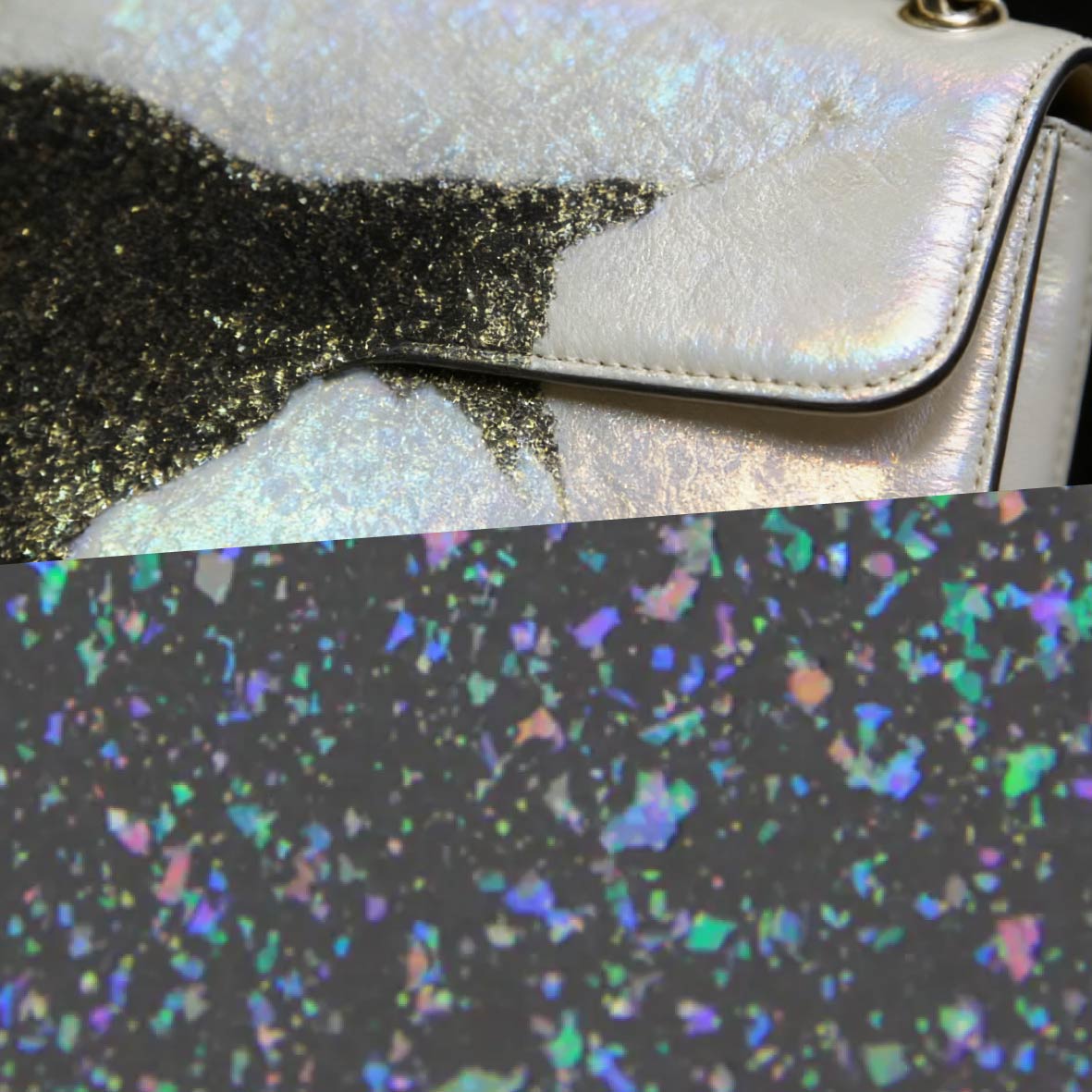
In decorative and functional coatings, mica is the substrate of choice for pearlescent and interference pigments. The particle size distribution dictates the visual effect—from subtle satin sheen to high-sparkle metallic reflections—while the metal-oxide coating (TiO₂, Fe₂O₃, or multi-layer stacks) determines color travel and UV resistance. Getting this combination right is essential for automotive topcoats, consumer electronics housings, and luxury packaging.
| Particle Size (D50) | Visual Effect | Common Application |
|---|---|---|
| 5–15 μm | Silky, soft gloss; high coverage | Face powders, nail polish, printing inks |
| 10–30 μm | Smooth satin luster | Eye shadows, lipsticks, general industrial paints |
| 30–60 μm | Noticeable sparkle; pronounced interference | Automotive basecoats, premium cosmetics |
| 60–200 μm | Bold glitter/sparkle effects | Decorative plastics, special-effect coatings |
Coating technology amplifies performance. TiO₂-coated mica produces white and interference pearls; iron oxide gives bronze, copper, and red to gold shades; multi-layer coatings widen the color gamut and improve opacity. Synthetic mica substrates, with their smoother surface and lower trace-metal content, yield brighter colors and longer lifecycle in exterior weathering. Explore the full industrial-grade pearlescent pigment portfolio to see how particle engineering transforms coatings and plastics.
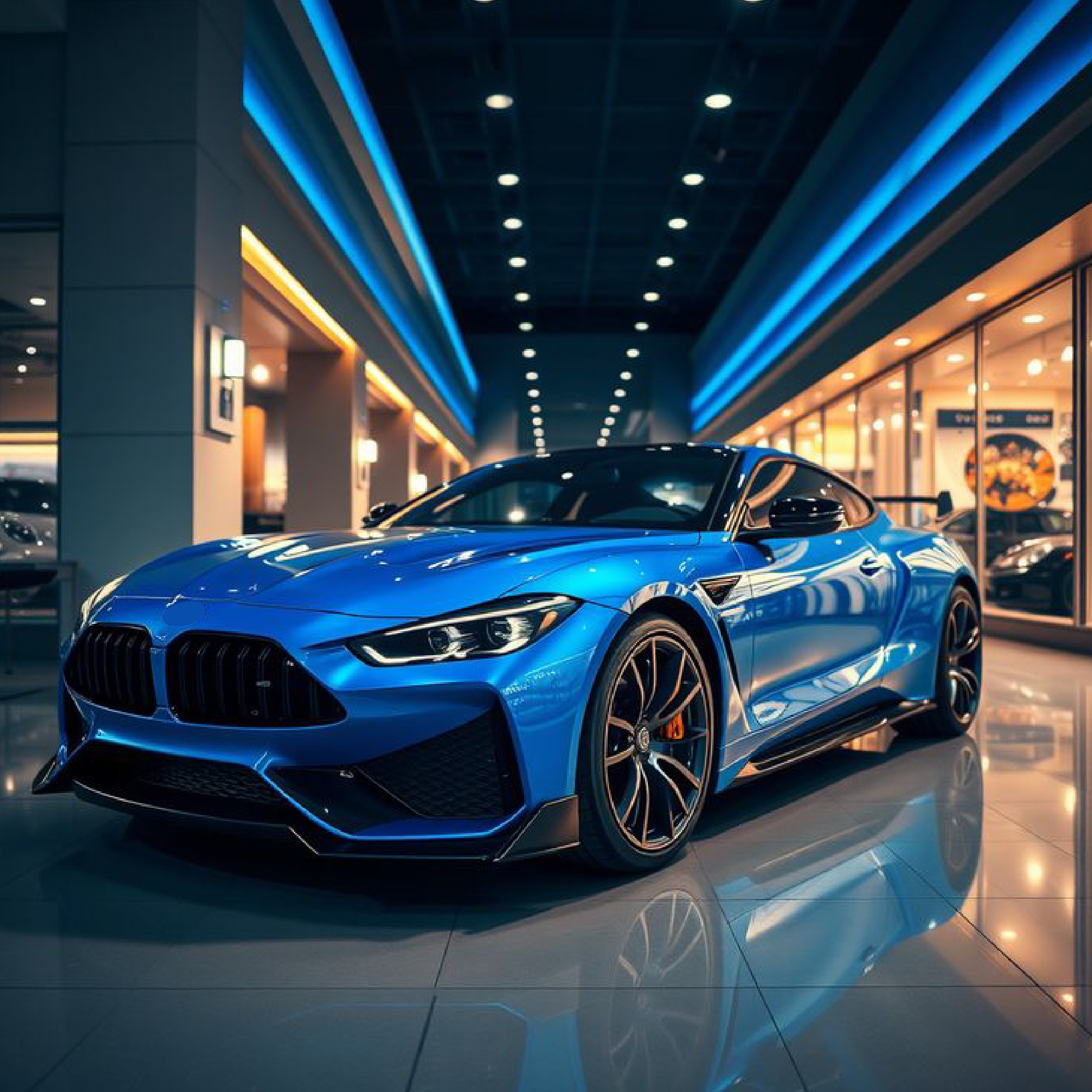
Industrial mica products are foundational to thermal and electrical safety—from EV battery barriers to the pigment in a luxury car’s finish. The most successful procurement strategies match the mica form and substrate grade to the specific operating temperature, voltage, and regulatory environment. Prioritize suppliers that can supply both natural and synthetic options, back them with full compliance documentation, and demonstrate in-house synthesis or rigorous audit trails. With the market poised to surpass half a billion dollars and new regulations tightening, locking in a qualified, transparent source today is a deliberate hedge against tomorrow’s supply-chain risk.

Contact Us
Mobile

 English
 Español