E-mail: [email protected]
Phone: +86-572-8356001
E-mail: [email protected]
Phone: +86-572-8356001
Content
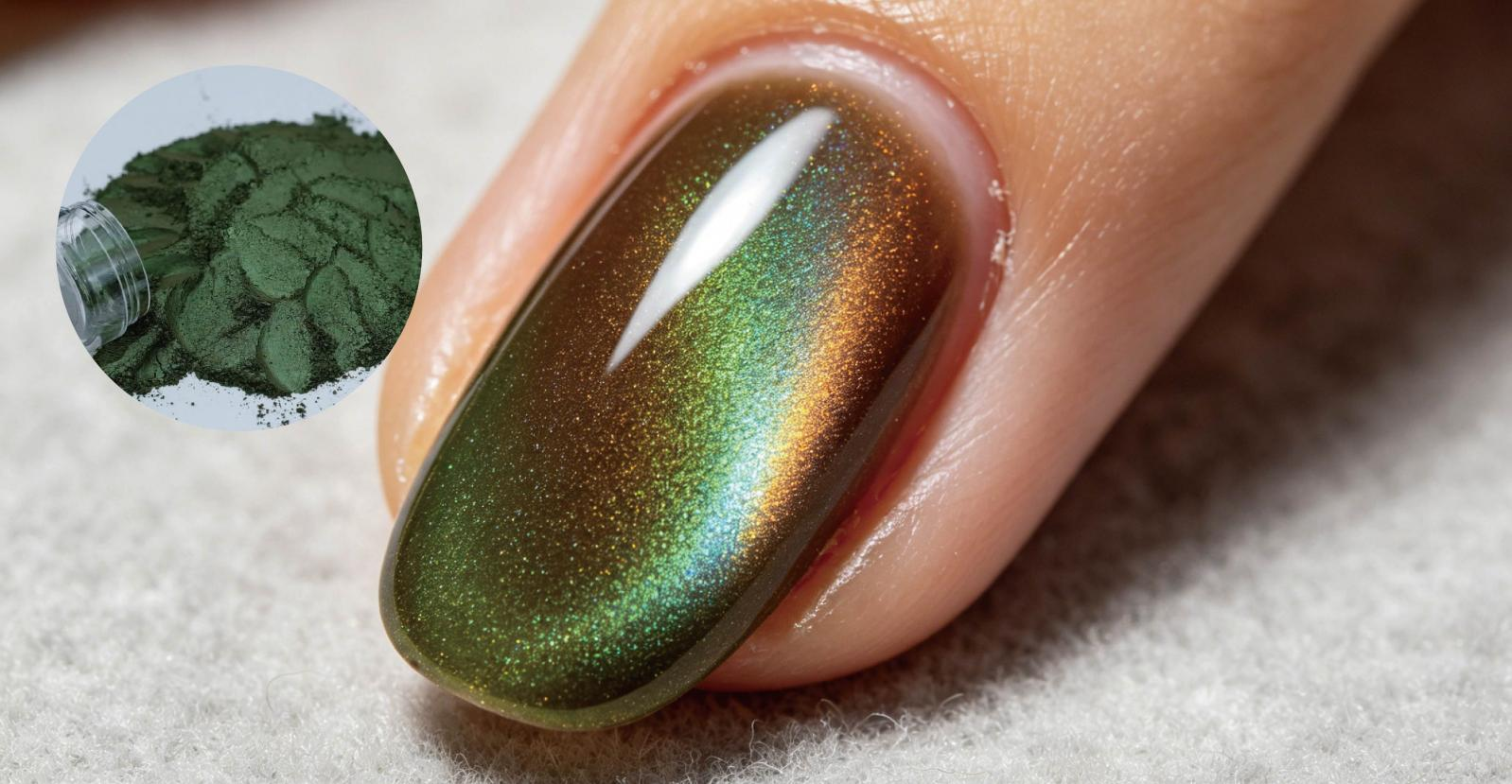
There is a particular quality of light that vintage objects carry — the glow of aged gilding on a picture frame, the warm sheen of a bronze door handle worn smooth by decades of hands, the soft luster of an antique mirror that reflects without dazzling. That quality is not accidental. It is the result of surfaces that have learned to absorb as much as they reflect, to hold light rather than throw it back. Antique pearlescent pigments are designed to recreate exactly this sensibility — and understanding how they do it opens up a distinct design vocabulary that modern bright-shimmer effects simply cannot replicate.
Antique as an aesthetic is not defined by a single hue — it is defined by a relationship between color, luminosity, and restraint. The visual signature of antique finishes is warmth without intensity: light that glows from within a surface rather than bouncing off it. Surfaces that feel inhabited by time. Colors that appear to have been deepened and softened by exposure to the world.
In contemporary product and interior design, this aesthetic is experiencing a sustained resurgence. Interior designers and color consultants consistently point to warm earth tones and muted vintage palettes as dominant directions in current design sensibility — ochres, terracottas, smoky golds, dusty roses, and warm taupes that evoke natural mineral pigments rather than synthetic brightness. Antique pearlescents sit at the intersection of this design moment and the science of light — they are the tool that translates a vintage color direction from flat into dimensional, from decorative into genuinely textured.
What separates antique shimmer from the broader pearlescent category is intentional restraint. Where high-chroma or diamond-effect pigments compete for attention, trend effects and global color directions in pigment design increasingly show antique pearlescents working differently — they complement the surrounding design rather than dominating it. They add a layer of dimension that you sense before you consciously notice.
The characteristic softness of antique pearlescent effects has a precise physical explanation. It begins with the coating chemistry on the mica platelet surface.
Standard silver-white and cool-toned pearlescents rely primarily on titanium dioxide coatings, which have a very high refractive index (approximately 2.4–2.7 for rutile form). This high contrast between TiO₂ and the mica substrate creates strong, specular reflection — light bounces back sharply, producing the bright, mirror-like luster characteristic of modern effect pigments. Antique grades work differently. They use iron oxide coatings, or layered combinations of iron oxide and titanium dioxide, as their primary optical mechanism. Iron oxide has a lower refractive index than TiO₂ and, critically, absorbs certain wavelengths rather than reflecting them — particularly in the blue and violet range. The result is a reflection that is warm in color temperature and softer in intensity. Light interacts with the platelet surface in a more diffuse, less specular manner, producing the characteristic "inner glow" rather than surface flash.
Particle size reinforces this effect. Antique pearlescent grades are almost always formulated with finer particle sizes — typically 10–30 microns — which increases the number of platelet edges per unit area. Edges scatter white light diffusely rather than reflecting interference color, adding a slight haziness that reads as age, depth, and warmth rather than crisp brilliance. The net optical result is a surface that feels settled and dimensional, rather than active and attention-seeking.
Antique pearlescents are not a single pigment — they are a family of effect grades unified by their warm, muted character. The antique pearlescent pigment collection spans a palette that maps directly onto the natural mineral colors of historical surfaces: the aged metals, oxidized patinas, and earthen pigments that defined pre-industrial aesthetics.
The core color families and their design character:
| Color Family | Visual Character | Mood & Associations | Primary Design Fit |
|---|---|---|---|
| Aged Gold | Warm, slightly greyed gold with subdued luster | Heritage, quiet luxury, classical craftsmanship | Luxury packaging, art deco cosmetics, decorative coatings |
| Antique Bronze | Warm amber-brown with reddish depth | Archaeological weight, artisan warmth, Mediterranean richness | Eyeshadow palettes, leather goods, architectural trim |
| Rose Copper | Blush-toned metallic with soft pink interference | Romantic nostalgia, 1920s glamour, femininity without excess | Cosmetics, fashion accessories, premium skincare packaging |
| Warm Amber | Honey-gold with amber-orange undertone | Autumnal, resinous, ancient and organic | Home décor coatings, candle vessels, artisanal packaging |
| Rust & Iron | Deep reddish-brown with low luster | Industrial heritage, raw materiality, understated drama | Architectural coatings, furniture, fashion accessories |
| Smoky Taupe | Greige-toned pearl with barely-there shimmer | Minimalist refinement, Scandinavian calm, wabi-sabi | Clean beauty cosmetics, premium paper packaging, interiors |
Each of these shades functions as a neutral within its own design context — they support and deepen surrounding colors rather than competing with them, which is precisely what makes them so versatile across industries and product categories.
No aspect of antique pearlescent design is more underestimated than the choice of background against which the pigment is seen. Because pearlescent platelets are transparent, they do not generate their own color independently — they modulate the light that passes through them and reflect it back through the surface it came from. The base color beneath the pigment layer is therefore not a passive background. It is an active component of the final visual effect.
Deep warm-toned bases — rich browns, terracottas, burgundy, dark sienna — produce the most pronounced antique quality. The dark substrate absorbs the transmitted light that passes through the pearlescent platelet, preventing it from washing back up through the film. Only the interference reflection returns to the viewer's eye, creating a strong, saturated color at the specular angle that reads as dimensional and jewel-like. Against a burnt sienna base, an aged gold pearlescent appears to glow with genuine internal warmth. Against a dark bronze ground, an antique rose copper acquires a depth that cannot be achieved in a single-layer application.
Sand, raw linen, warm beige, and muted ochre backgrounds soften the interference color while maintaining warmth. The effect is more restrained and natural — closer to the quality of raw stone or unprocessed mineral than to worked metal. This combination is ideal for products positioned around naturalism, botanical luxury, or craft aesthetics.
Against white or cool-toned backgrounds, the warmth of antique pearlescents flattens significantly. The transmitted light returns through the film unfiltered, competing with the interference reflection and diluting the characteristic warmth. If a white base is unavoidable, adding a small proportion of warm colorant — raw umber, yellow ochre, or a pale warm buff — rebuilds the thermal context that antique pigments depend on.
The antique pearlescent palette is one of the most cross-disciplinary in the effect pigment world. Its design language speaks fluently in contexts ranging from skin-contact cosmetics to architectural surfaces.
In makeup, antique pearlescents excel in eye products and complexion finishes where the goal is dimension rather than impact. An antique bronze eyeshadow reads as sophisticated rather than statement-making — it deepens the eye without overpowering the face. Warm amber tones on the cheekbone create a skin-like luminosity that mimics the natural sheen of healthy skin under warm light, distinct from the white-flash highlight that bright pearlescents produce. Lip products in rose copper or dusty antique gold carry a vintage glamour that references 1930s and 1940s beauty aesthetics — fully current as nostalgia-driven beauty trends continue to grow.
For premium product packaging, antique pearlescents signal heritage, craft, and restraint — qualities that immediately communicate premium positioning without relying on the visual noise of high-intensity metallics. An aged gold printed onto embossed kraft paper evokes an artisanal provenance. An antique bronze coating on a glass vessel reads as museum-worthy rather than commercially generic. For brands building a patina of authenticity into their packaging design, the antique pearlescent palette is among the most efficient tools available. The golden lustre pearlescent pigments in warm-toned grades bring this warmth into industrial-scale coating applications for packaging and decorative surfaces.
In interior surfaces — walls, furniture, decorative objects — antique pearlescents achieve something that matte paints alone cannot: a surface that appears to change quality under different lighting conditions throughout the day. Under morning light, an antique bronze wall reads as warm stone. Under evening candlelight, it glows with a luminous depth that no flat pigment can replicate. This lighting responsiveness is the defining luxury of effect pigments in architectural contexts, and the muted character of antique grades makes it appropriate for spaces that call for atmosphere rather than spectacle.
Antique pearlescents are by nature harmonizers — they deepen and warm whatever surrounds them. This quality makes them excellent team players in complex formulations and multi-pigment design systems, provided the surrounding palette respects their tonal language.
Matte earth-tone pigments are the natural partners of antique pearlescents. Raw umber, yellow ochre, burnt sienna, and warm terracotta used in surrounding or base layers provide the tonal coherence that allows antique shimmer to read as sophisticated rather than incidental. The interplay between a flat, heavily pigmented earth-tone ground and a transparent antique pearlescent topcoat creates the visual complexity of real patinated metal — depth from two physically distinct layers rather than a single mixed pigment.
The nude skin-tone pearlescent pigments make particularly effective companions in cosmetic applications — their near-neutral warmth sits adjacent to the antique palette without competing, creating layered complexion products where the antique grade reads as a warm dimensional depth while the nude grade adds overall luminosity.
What to avoid is equally instructive. High-chroma cool-toned pigments — electric blues, acid greens, neon pinks — create an immediate tonal clash with antique pearlescents that reads as unresolved rather than intentionally contrasted. Bright silver-white pearlescents placed adjacent to antique grades make the antique finish appear dull by comparison, stripping it of its character. The antique palette is designed to be read on its own terms or alongside other muted, warm companions — not in direct competition with brighter effects.
Browsing the broader new color pearlescent pigment range alongside antique grades enables direct comparison of how different effect pigments interact within the same warm palette — an essential step in multi-pigment formulation development.
Getting an antique finish right in formulation is largely a matter of restraint — knowing where to stop is as important as knowing where to start.
Particle size selection is the first decision. Fine grades (10–30 µm) are the core of any authentic antique effect. They produce the diffuse, satin-like luminosity that reads as aged warmth. Coarser grades can be incorporated in very small proportions — no more than 15–20% of total pearlescent loading — to add occasional highlights without breaking the muted, uniform character of the base effect.
Loading control is the most common failure point. Formulators accustomed to bright-effect grades sometimes increase antique pigment loading to compensate for the perceived lower intensity, and the result is a finish that loses its subtlety and reads as a flat metallic rather than a dimensional vintage sheen. Effective antique effects are typically achieved at 3–7% loading by weight in cosmetic formulations, and 5–10% in coating systems. Exceeding these ranges crowds the platelets, disrupts orientation, and destroys the introverted quality that defines the effect.
Medium transparency is non-negotiable. Antique pearlescents depend on the interplay between the interference reflection from the platelet surface and the color contribution of the background layer. Any opaque additive — whether an opacifying filler, an excess of base pigment, or an incompatible rheology modifier — that obscures this interaction will flatten the antique effect into a simple tinted coating. The medium must remain sufficiently transparent to allow light to reach the platelet, interfere, and return through the film to the viewer.
Layered application, where formulation and application permit, consistently produces superior antique results over single-coat approaches. A warm, semi-transparent base coat — lightly pigmented with an iron oxide or earth-tone colorant — followed by a transparent topcoat carrying the antique pearlescent allows each layer to contribute its component of the total visual effect independently, producing the kind of depth that single-layer formulations can only approximate.

Contact Us
Mobile

 English
 Español