 English
 Español

Ray-3D Magnetic Pearlescents: Cat-Eye Pattern Process Keys
What makes Ray-3D magnetic pearlescents work In our manufacturing work, we see one point repeated in almost every successful project: a str...
Read MoreE-mail: [email protected]
Phone: +86-572-8356001
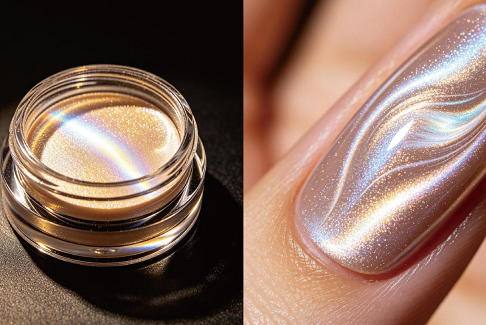
What makes Ray-3D magnetic pearlescents work In our manufacturing work, we see one point repeated in almost every successful project: a str...
Read More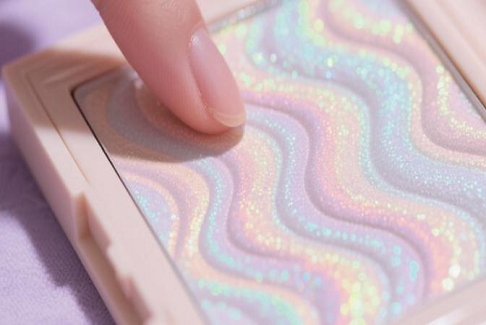
Diamond Pearlescents Work Best When the Sparkle Has a Job A gem-like surface does more than catch light. In our work as a manufacturer and ...
Read More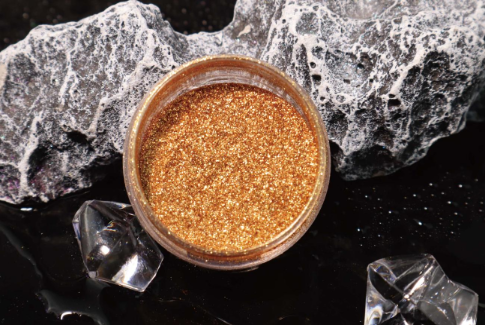
Why TiO2-Free Pearlescent Pigments Are Gaining Ground in Cosmetic Formulation Over the past few years, the demand for TiO2-free options in ...
Read More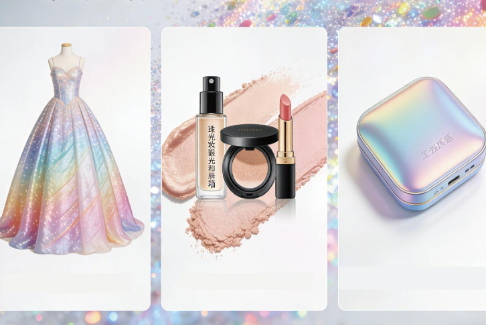
Why Color Trends Matter More Than Ever to Pigment Buyers Every year, global color forecasting bodies — Pantone, WGSN, and major fashion wee...
Read More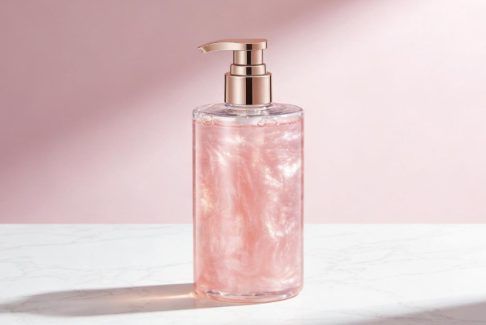
Why Pearlescents Behave Differently in Rinse-Off Products Pearlescent pigments are among the most visually impactful ingredients a personal...
Read More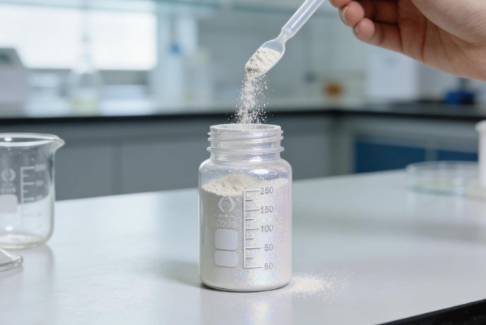
The Dispersion Problem That Slows Down Formulation Teams Anyone who has worked with dry pearlescent pigment powder in a lab setting knows t...
Read More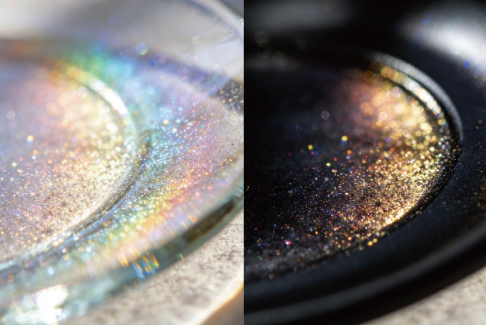
Why the Same Pigment Looks Different Across Substrates Pearlescent pigments work through light interference — thin layers of titanium dioxi...
Read More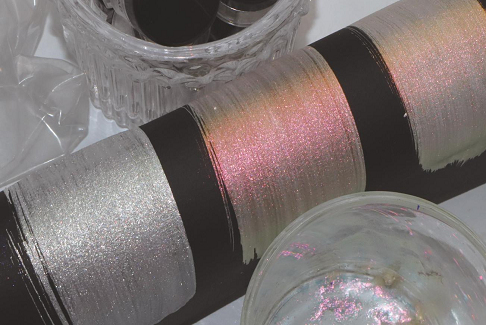
Understanding Holographic Pigment Performance Fundamentals Holographic pigments deliver dramatically different visual effects depending on ...
Read More
What Are Pre-Dispersed Pearlescents Pre-dispersed pearlescents are ready-to-use pearlescent pigment formulations that have been pre-mixed i...
Read More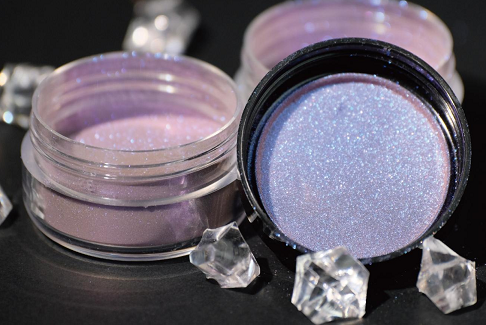
Why Nebula Chameleon Achieves Superior Color Performance at Minimal Concentrations Nebula Chameleon pigments stand out in the cosmetics and...
Read More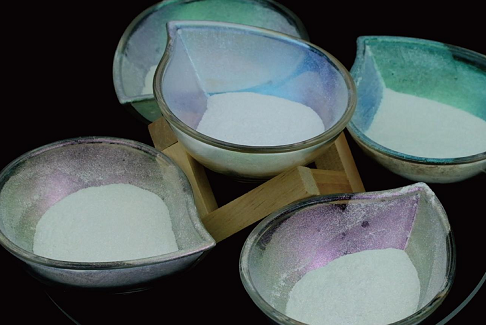
Understanding Chameleon Pigment Technology Chameleon pigments create mesmerizing angle-shift effects by utilizing multi-layer interference ...
Read More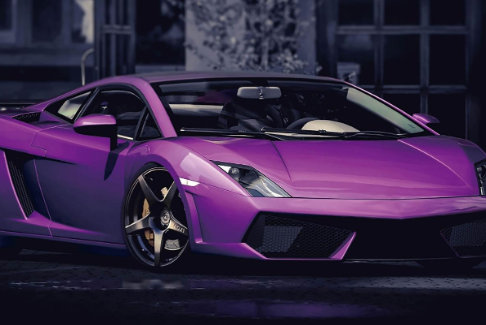
What pigment powder for automotive paint must achieve in real service Selecting pigment powder for automotive paint is not only a color de...
Read More
Contact Us
Mobile
