E-mail: [email protected]
Phone: +86-572-8356001
E-mail: [email protected]
Phone: +86-572-8356001
Content
Mica is a group of sheet silicate minerals that split effortlessly into ultra-thin, flexible flakes. In skincare and color cosmetics, that physical trait translates into a silky slip, immediate light reflection, and a soft-focus blur that minimizes the appearance of fine lines. It is not an active ingredient that treats skin; it is a functional mineral that delivers texture, luminosity, and visual smoothness.
The mineral appears in everything from loose setting powders to lip gloss, but its value goes beyond simple shimmer. Formulators rely on mica for five core properties: light diffusion, improved spreadability, pigment suspension, enhanced adhesion, and batch-to-batch color consistency. Because the platelets align parallel to the skin, they create a uniform film that feels weightless while boosting coverage—without adding opacity from heavy titanium dioxide alone.
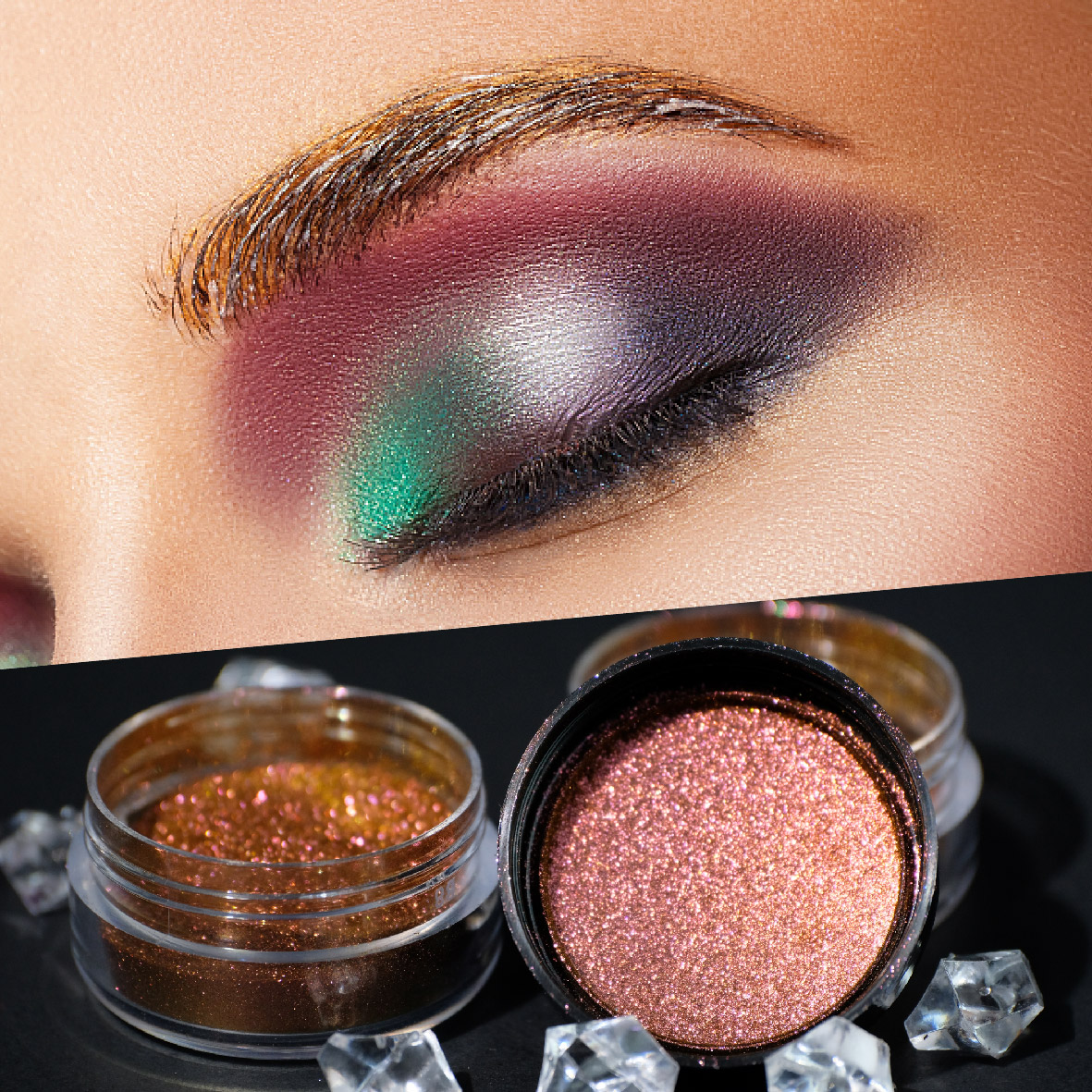
Mica also supports color development. When coated with metal oxides like iron oxide or titanium dioxide, it produces pearlescent, metallic, or interference effects. This makes it a backbone ingredient in eyeshadows, highlighters, blushes, and even tinted moisturizers where a natural, lit-from-within glow is the target.
Natural mica is mined from the earth, which introduces variability in trace mineral content, heavy metal contamination, and ethical oversights tied to unregulated small-scale mining. Synthetic mica—often labeled as synthetic fluorphlogopite on INCI lists—is manufactured under controlled conditions. The result is a platelet with zero heavy metals, perfect batch-to-batch color uniformity, and a significantly higher purity level.
For sensitive skin or leave-on eye area products, synthetic mica lowers the risk profile considerably. Independent analyses show natural mica can contain detectable lead, arsenic, and mercury, while properly manufactured synthetic fluorphlogopite routinely tests below quantifiable limits. Brands that prioritize biocompatibility and regulatory compliance increasingly shift toward synthetic grades, which also eliminate the child labor concerns documented in some mica-rich regions.
| Property | Natural Mica | Synthetic Mica |
|---|---|---|
| Source | Mined mineral | Lab-synthesized |
| Heavy metal risk | Occasional arsenic, lead, mercury | Below detection limits |
| Platelet uniformity | Moderate variation | Tightly controlled |
| Ethical certification | Difficult to guarantee | Inherently free from artisanal mining issues |
| Typical cost | Lower | 15–40% higher |
| INCI example | Mica (CI 77019) | Synthetic Fluorphlogopite |
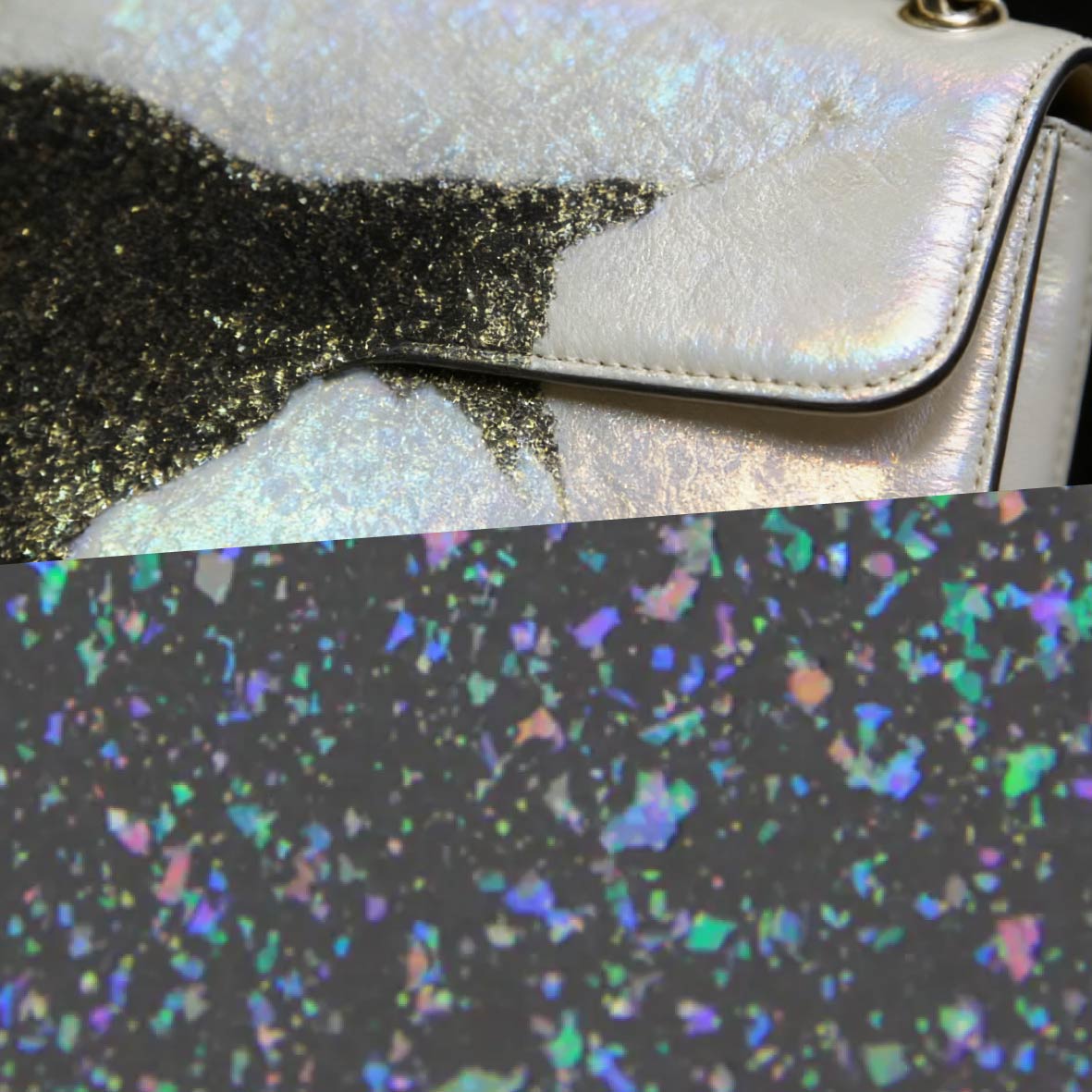
Many advanced formulations now use synthetic substrates, including non-pet glitter pearl pigments, to deliver brilliant effects without the purity trade-offs. The move toward synthetic is not just a regulatory hedge—it also produces cleaner, brighter color travel in interference pigments.
The safety profile of mica depends on its source, particle size, and the presence of coating layers. Uncoated natural mica with a median particle size above 10 µm is generally considered non-irritating and non-sensitizing by both the U.S. FDA and the European CosIng database. The EWG Skin Deep database assigns a low hazard score of 1–2 for most cosmetic-grade mica.
Larger platelets (60–120 µm) can feel gritty on compromised skin. For reactive or rosacea-prone complexions, grades with D50 values under 15 µm perform better. Synthetic fluorphlogopite is often the first choice here because its smooth, uniform surface causes less mechanical friction. Nickel and cobalt traces occasionally found in untreated natural mica can trigger allergic contact dermatitis, though such cases remain rare.
Mica does not clog pores on its own. However, in heavy oil-based formulations, large particles can trap sebum if the product is not properly removed. The risk is formulation-dependent, not ingredient-driven. Powder products with spherical silica alongside fine mica often improve skin feel without contributing to comedogenicity.
No regulatory body restricts mica use during pregnancy when applied topically. The mineral sits on the skin surface—it does not absorb into the bloodstream. To eliminate the remote risk of heavy metal impurities, clinicians and formulators often recommend synthetic mica for maternity-safe cosmetics.
Selecting a mica grade begins with particle size. The D50 value—the median diameter—determines the balance between sparkle, coverage, and skin adhesion. A highlighter built with 60–120 µm platelets delivers metallic, mirror-like flashes, while a sheer setting powder demands 5–15 µm particles for a soft-focus, invisible luminosity.
Match particle size to product format before considering color or coating. The table below captures typical performance across common cosmetics applications. Particle shape also matters: very thin, high-aspect-ratio flakes produce more opaque coverage, while thicker platelets emphasize sparkle.
| Particle Size Range (D50) | Visual Effect | Best Application | Skin Feel |
|---|---|---|---|
| 5–25 µm | Subtle luster, high coverage | Pressed powders, foundations | Ultra-smooth, velvety |
| 10–60 µm | Soft pearl, moderate sparkle | Eyeshadow, blush | Silky, even spread |
| 30–90 µm | Bright shimmer, noticeable sparkle | Highlighter, body shimmer | Slightly detectable particles |
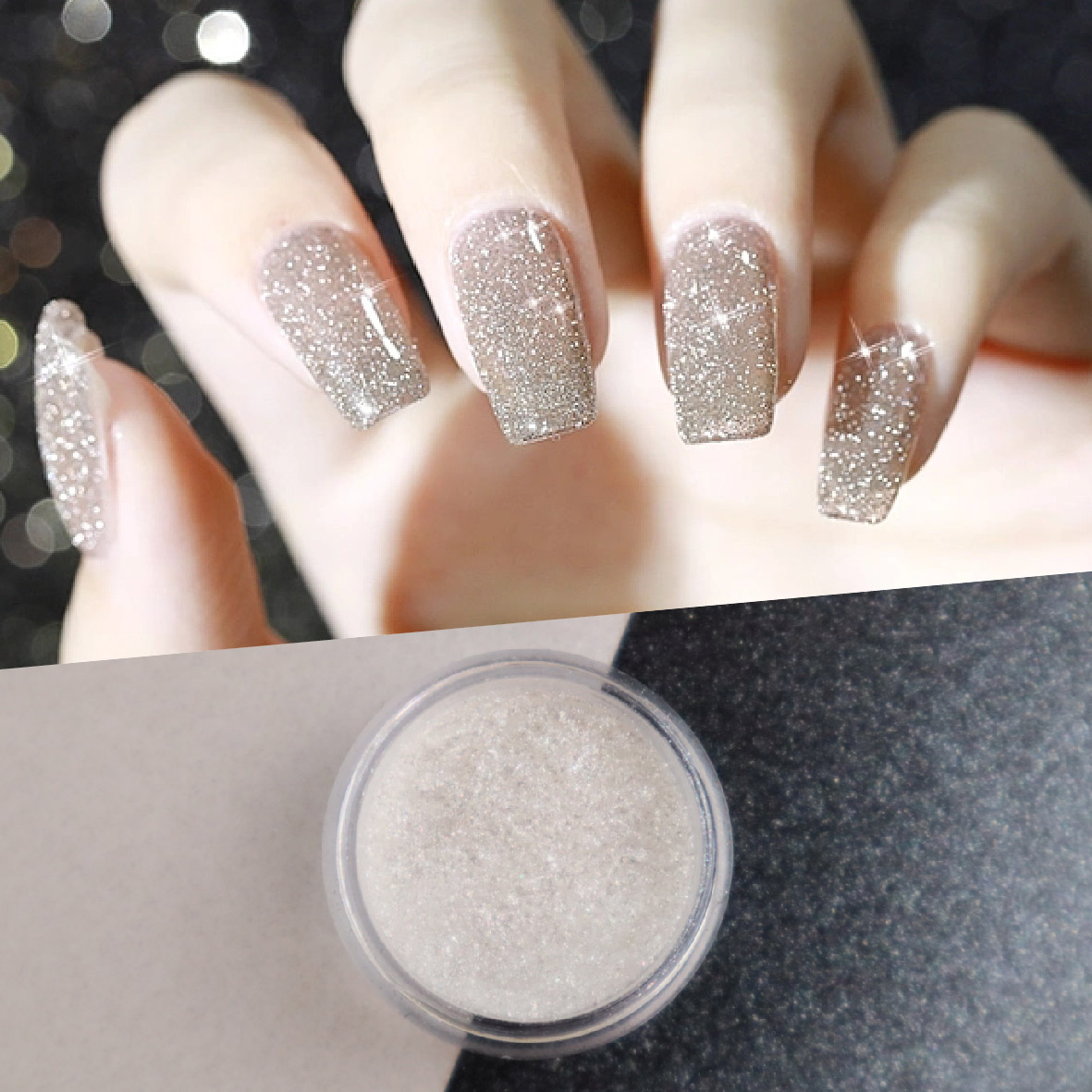
| 60–120 µm | Intense glitter effect | Pigment-rich eyeshadow topper, nail polish | Textured, distinct sparkle |
For a true diamond-like brilliance, diamond pearlescent pigments with precisely controlled layering offer high light return without the coarseness of large glitter. When designing a duochrome effect, combine an interference mica with a transparent base and test at 0.5–2% of formula weight before scaling.
Unethical labor practices in mica mining, particularly in parts of India and Madagascar, have pushed the cosmetics industry toward transparent supply chains. Certifications and traceability mechanisms are no longer optional—they are baseline expectations for any brand with a public commitment to sustainability.
Key certifications that signal ethical integrity include the Responsible Jewellery Council (RJC) chain-of-custody, Fair Mica certification, and ISO 14001 for environmental management. A credible supplier will provide full documentation of the mine-to-mill journey, independent third-party audits, and a public due diligence report. If a supplier cannot produce a documented origin map for their natural mica, assume risk.
Many forward-looking formulators now sidestep the issue entirely by using synthetic fluorphlogopite, which eliminates mining altogether. Brands that still prefer natural mica should require on-site social audits and confirm that no children under 15 are present in the supply chain. A handful of manufacturers have also adopted blockchain-based traceability, though uptake remains limited.
Mica platelets are notoriously cohesive; they stick to each other and to container walls if added dry. A standard pre-dispersion step in a compatible carrier oil solves most processing headaches. Follow this sequence for oil-based or anhydrous systems:
In water-based or emulsion systems, wet the mica with a small amount of glycerin or propanediol before introducing it to the water phase to minimize floating and foaming. Color-shifting chameleon pigments require even lower shear—keep mixing speeds under 1500 rpm to protect the delicate interference layers. For powder products, jet-milling or ribbon blending ensures consistent platelet orientation without crushing the structure.
Alternatives to natural mica have grown in both sophistication and availability. The choice depends on whether you are replacing the shimmer function or the bulk-filler property. Three main substitutes dominate the current market.
| Alternative | Optical Effect | Cost Level | Best For |
|---|---|---|---|
| Synthetic fluorphlogopite | High purity, bright pearl | Medium-high | Any product requiring clean beauty credentials |
| Calcium aluminum borosilicate | Very high sparkle, transparent base | High | High-end highlighters, luxury powders |
| Titanium dioxide-coated glass flakes | Strong glitter, thick substrate | Medium | Nail polish, gel-based body glitter |
Calcium aluminum borosilicate, often sold as a “glass pearl,” delivers the highest refractive index and the most brilliant flash, but it requires careful handling—the sharp edges can feel abrasive on delicate skin unless particle size is capped below 150 µm. TiO₂-coated glass flakes serve as a durable, plastic-free glitter alternative in rinse-off products. For leave-on facial products, synthetic fluorphlogopite remains the most skin-compatible and regulatory-friendly replacement for natural mica.
Can mica accelerate skin aging? No. Mica is chemically inert and does not generate free radicals even under full-spectrum UV exposure. Any aging effect would stem from inadequate removal, which is a cleansing issue, not a mica issue.
Does mica settle in fine lines? Large particles (above 100 µm) can collect in static wrinkles. Particles under 30 µm reflect light without emphasizing texture, making them safer for mature skin formulations.
How should I store mica-based products? Keep containers sealed, away from humidity above 60%, and out of direct sunlight. Moisture causes platelet aggregation and dulling of the reflective surface.
Is mica vegan? Pure mica is a mineral and contains no animal-derived ingredients. However, some coated micas may use carmine or shellac—always verify the coating composition with your supplier.

Contact Us
Mobile

 English
 Español